Five million visitors a year. That’s how many people are drawn to Chamonix, not just for its legendary slopes or the mythic pull of Mont Blanc, but for something deeper - a lifestyle suspended between alpine tradition and modern luxury. Once a quiet haven for mountaineers, the valley has evolved without losing its soul. Wooden beams still define the skyline, but now they frame floor-to-ceiling glass walls that capture sunrise over the Aiguille du Midi. If you're considering a permanent foothold here, you're not just buying property. You're investing in a legacy shaped by altitude, light, and an enduring connection to the mountains.
The Chamonix Valley Market: Where Prestige Meets Panorama
Chamonix isn’t just one destination - it’s a constellation of villages, each with its own rhythm, altitude, and appeal. From the bustling heart of Chamonix town to the serene heights of Argentière, the nuances matter. What unites them is demand. High-end properties here don’t just attract buyers; they attract connoisseurs. These are individuals who understand that a prime location isn’t just about proximity to lifts, but about orientation - south-facing plots that soak in sunlight, quiet roads that preserve privacy, and views that don’t just include Mont Blanc, but frame it like a masterpiece.
Iconic Views and Exclusive Neighborhoods
Les Praz, nestled between Chamonix and the Brévent cable car, is prized for its balance: close enough to town for convenience, high enough for tranquility. Properties here often command €15,000 to €20,000 per square meter, especially those with uninterrupted northwesterly views of the Vallée Blanche. Les Moussoux, slightly higher and quieter, appeals to those who prioritize seclusion without sacrificing access. Meanwhile, Les Houches, at the southern end of the valley, offers more sunshine and a slightly gentler pace, making it a favorite among families and long-term residents.
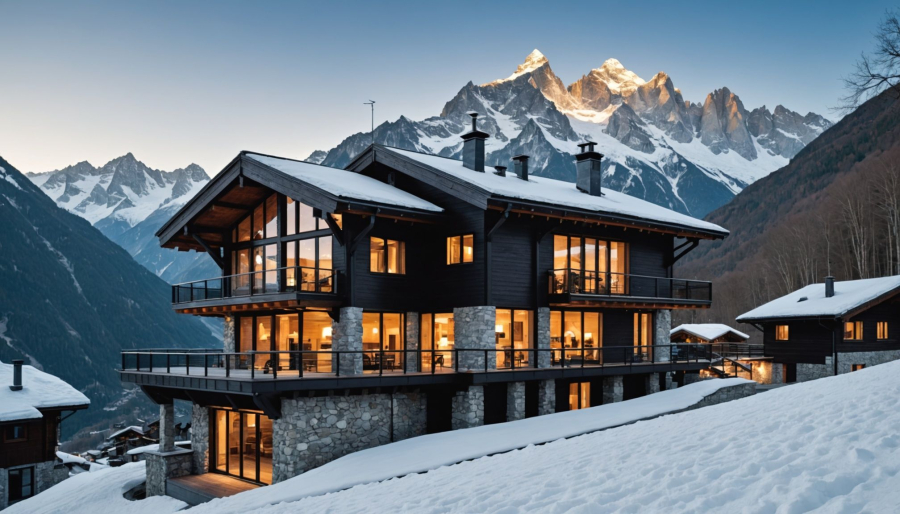
For those seeking the pinnacle of Alpine living, we offer a curated selection of luxury mountain chalets for sale in Chamonix, each chosen for its architectural integrity and emotional resonance with the landscape. These aren’t speculative builds - they’re homes designed by artisans who understand local materials, snow loads, and the way light moves across the valley at different times of year.
Features of Exceptional Alpine Estates
Today’s luxury chalets blend heritage with innovation. Think stone foundations and exposed larch beams paired with minimalist steel frames and panoramic glazing. Inside, the focus is on comfort and experience. It’s not uncommon to find indoor swimming pools with counter-current systems, home spas with saunas and hammams, and private home cinemas tucked into converted barn spaces. But the real luxury? The outdoor spaces. Expansive sun decks, heated terraces, and outdoor fireplaces turn winter into a season of al fresco living.
What sets these properties apart isn’t just the checklist of amenities - it’s the intention behind them. A well-placed window isn’t just for light; it’s a deliberate framing of the Glacier des Bossons. A ski room isn’t just storage; it’s climate-controlled, with boot warmers and gear organization built into custom joinery. These are homes designed for people who live here year-round, not just weekends.
| Location | Altitude (m) | Sun Exposure | Lift Proximity | Typical Price/m² |
|---|---|---|---|---|
| Les Praz | 1,000 | High (afternoon sun) | 5 min to Brévent | €15,000-€20,000 |
| Les Houches | 950 | Very high (south-facing) | 10 min to Grands Montets | €12,000-€16,000 |
| Argentière | 1,250 | Moderate (shaded mornings) | 3 min to lifts | €14,000-€18,000 |
Investment Potential in the Shadow of Mont Blanc
Buying a chalet in Chamonix isn’t just an emotional decision - it’s a strategic one. The valley’s dual-season appeal sets it apart from many ski resorts that go quiet in summer. From June to September, hikers, climbers, and trail runners fill the valley. The same chalet that hosts ski groups in January can welcome mountain bikers in July. This year-round demand translates into solid rental occupancy - often 60% to 75% annually for well-located, high-end properties.
Rental Yield and Resale Value in the Northern Alps
Net yields for luxury chalets typically range between 3% and 5% after management fees, maintenance, and utilities. That might seem modest compared to urban real estate, but it doesn’t tell the full story. The true value lies in capital appreciation. Building land in Chamonix is extremely limited - the valley is hemmed in by national park boundaries and steep terrain. This scarcity means that well-maintained properties, especially those with rare features like large plots or exceptional views, tend to hold their value over time.
Another factor: international appeal. Chamonix attracts buyers from the UK, the Middle East, and North America, not just for holidays, but as long-term residences. The presence of international schools, reliable internet, and world-class medical facilities in nearby Geneva makes it viable for remote work and family life. This broad buyer pool supports liquidity - when it’s time to sell, there’s usually interest.
And let’s not forget the intangible returns. Owning a home here means access to a community shaped by adventure, artistry, and a deep respect for nature. That’s something no spreadsheet can quantify, but everyone who lives here feels.
Key Steps to Acquiring Your Mountain Home
The process of buying in France is structured, but it comes with nuances - especially in a high-stakes market like Chamonix. For international buyers, the notarial system can feel opaque at first. Unlike countries where ownership transfers quickly, France has a cooling-off period and a detailed verification phase. Understanding the steps helps avoid delays and surprises.
Navigating the Local Buying Process
It starts with a preliminary agreement - either a compromis de vente or a promesse unilatérale. This is when you place a deposit, usually 10% of the purchase price. You then have a 10-day cooling-off period. After that, the notaire (a state-appointed legal officer) takes over. They verify the property’s title, check for liens, and ensure compliance with local planning laws.
This is where expert guidance becomes essential. A local advisor can help you interpret the état des lieux (property condition report), commission a structural survey, and verify the certificat d’urbanisme - a document confirming what modifications are allowed. For older properties, especially converted barns, this is critical. You don’t want to buy a charming stone building only to discover that expanding the windows requires a permit that may never be granted.
- Valid photo ID or passport
- Proof of funds (bank statements or financial references)
- Structural and damp survey reports
- Energy performance certificate (DPE)
- Urban planning certificate (certificat d’urbanisme)
Once all checks are complete, the final deed (acte de vente) is signed, usually 2 to 3 months after the initial agreement. At that point, ownership transfers, and you receive the keys. Throughout this process, having a bilingual advisor isn’t a luxury - it’s a safeguard.
Typical Questions
What is the most frequent feedback from international owners after their first year?
Most report being surprised by how livable Chamonix is beyond the ski season. They expected winter to be magical - and it is - but they didn’t anticipate summer hikes, alpine festivals, and the ease of weekend trips to Geneva or Annecy. The year-round community, from local artisans to international residents, creates a rhythm that feels both exclusive and welcoming.
What is the biggest pitfall when buying a renovated old barn?
The charm of exposed stone and timber can mask serious issues. The two biggest risks are inadequate insulation and hidden structural damage. Older buildings weren’t built to modern thermal standards, and without a proper survey, you might inherit high heating costs or moisture problems. Always insist on a thermographic scan and a structural engineer’s report before proceeding.
Are there hidden management costs for a luxury chalet?
Yes, and they add up. Beyond property tax and insurance, expect regular expenses for snow removal, garden maintenance, pool heating, and possibly staff like a concierge or housekeeper. If the chalet is rented out, professional management fees typically range from 20% to 30% of gross income. Budgeting for these ensures you’re not caught off guard.
How are new environmental standards changing the local market?
France’s RE2020 regulations are pushing new builds toward lower carbon emissions and better energy efficiency. This means more timber construction, geothermal heating, and advanced insulation. While compliance adds to upfront costs, it reduces long-term energy bills and increases resale appeal. Even renovations are feeling the impact - major upgrades now often require improved DPE ratings.
What should I know about rental licensing for luxury chalets?
Short-term rentals in Chamonix are subject to local regulations, and some communes require a specific license. In Chamonix-Mont-Blanc, for example, you must declare your property to the town hall and comply with tourist tax collection. The rules vary by village, so verifying the status before purchase is essential - especially if rental income is part of your investment strategy.
